Mining hardware sourcing
Find the right Bitcoin mining hardware and plan equipment purchases around your project needs.
Discuss this service ↗NMMINE.COM helps businesses assess, install, and maintain Bitcoin mining hardware at existing facilities connected to the power grid.
From site review to steady operation
A successful mining setup takes more than hardware. We consider your site, electrical service, cooling, and operating costs to create a practical installation plan.
Find the right Bitcoin mining hardware and plan equipment purchases around your project needs.
Discuss this service ↗Review available power, electricity costs, wiring needs, and possible site upgrades.
Discuss this service ↗Coordinate qualified electrical contractors, equipment installation, cooling, networking, and setup.
Discuss this service ↗Ongoing checks, troubleshooting, hardware care, and help keeping equipment running.
Discuss this service ↗A fit for existing facilities
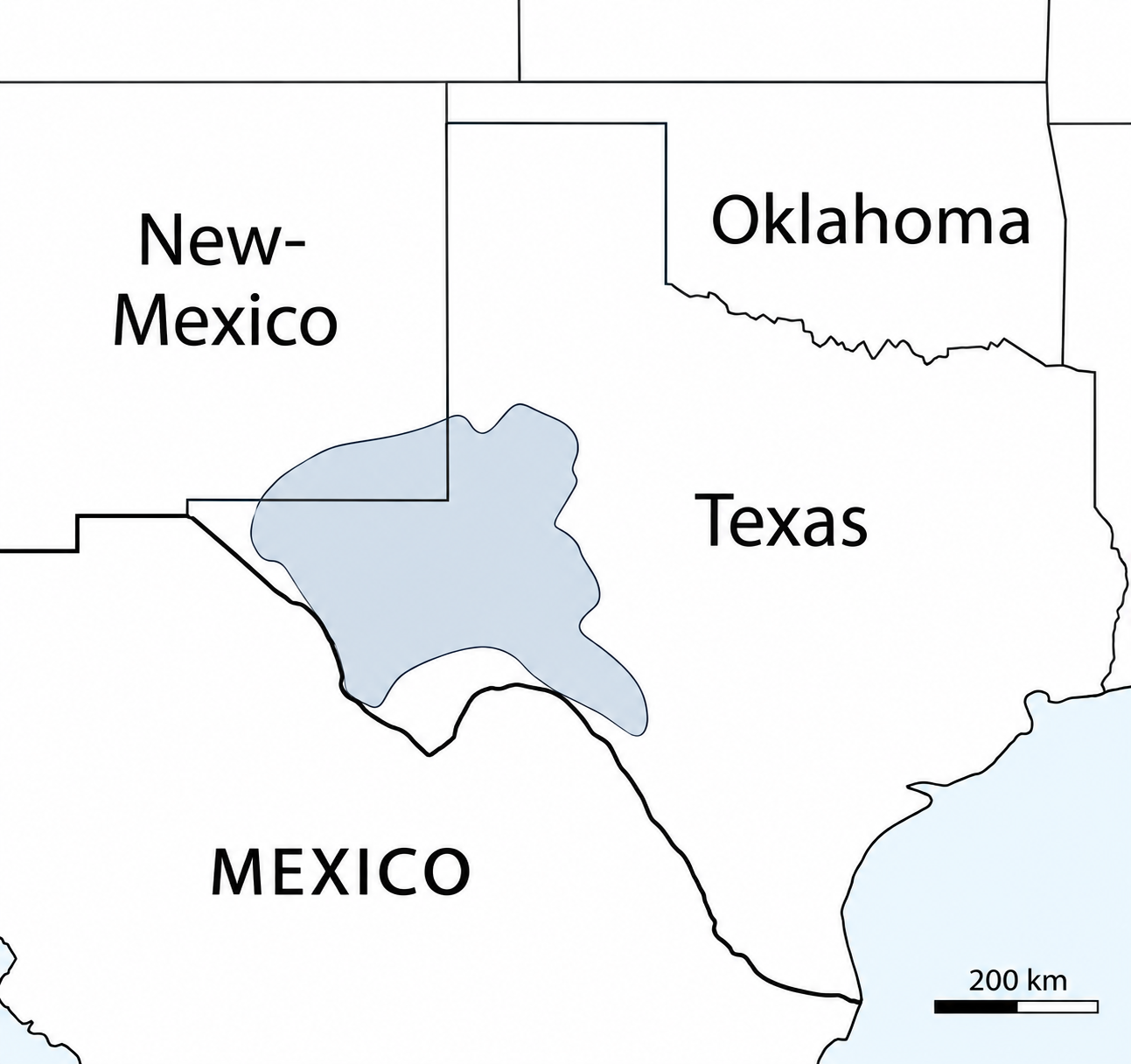
The Permian’s established energy and industrial base makes it worth evaluating for Bitcoin mining. An existing grid connection and competitive electricity contract may help, but local rates, capacity, and upgrade costs vary by site.
POWER COSTS SHAPE THE PROJECT
At a continuous 1 MW load, each 1¢/kWh equals about $7,300 per month in energy charges. These examples show sensitivity to price; they are not local quotes.
| Rate assumption | Energy cost per month* | What it means |
|---|---|---|
| 4¢/kWh | $29,200 | Lower-cost scenario to evaluate |
| 6.35¢/kWh | $46,355 | Texas 2025 industrial average benchmark |
| 8¢/kWh | $58,400 | Higher-cost scenario; margins tighten |
*Energy only, at 1 MW for 730 hours. Excludes demand charges, delivery, taxes, fees, cooling, equipment, and downtime. EIA’s 6.35¢ figure is a statewide average, not a Permian Basin offer or forecast. Actual all-in rates depend on the utility, contract, service class, and site. Source: U.S. EIA, 2025 average prices by state and customer type ↗
Existing facilities may have useful service and space. Confirm spare capacity, interconnection requirements, and upgrade costs with the serving utility.
The region’s energy workforce and industrial service network can make site assessment and project coordination more practical.
Compare a firm, all-in electricity offer against operating and equipment costs before committing capital. Texas averages do not predict an individual site’s rate.
ERCOT has identified transmission and reliability needs as West Texas load grows. Site capacity and service timing must be verified. Read ERCOT’s system constraints report ↗
A POWERHOUSE FOR THE REGION — AND THE WORLD
World-class energy production meets some of the nation’s most competitive industrial electricity costs.
New Mexico recorded the lowest average industrial electricity price among U.S. states in 2025. The national average was 8.51¢/kWh.
The Permian produced 6.6 million barrels per day in 2025, supplying nearly half of U.S. crude oil production and helping fuel energy markets around the world.
Electricity figures are statewide averages, not a Permian Basin quote. The Basin spans Texas and New Mexico; actual rates, demand charges, available capacity, and service reliability vary by utility, contract, and site. EIA industrial electricity prices ↗ · EIA Permian production data ↗
BLM photo by Wendy Brown · New Mexico Permian Basin ↗Bitcoin mining revenue changes with Bitcoin’s price, network competition, and operating uptime. This information is for project evaluation, not investment advice or a promise of returns.
A plain-language introduction
Bitcoin is a digital currency that runs on a shared network. Mining is one way the network orders transactions and adds new records.
People can send bitcoin to one another over a worldwide network, without a central bank operating the network. Transactions are recorded in a shared public history called the blockchain.
Mining computers collect pending transactions and compete to find a valid proof of work. Other network participants check the proposed block against Bitcoin’s rules before it becomes part of the blockchain.
A miner assembles eligible transactions into a proposed block.
Computers perform repeated calculations to find proof of work that meets the network’s target.
Other participants verify the work and transactions; a valid block joins the shared record.
Mining uses electricity and specialized computing equipment. A miner that adds a valid block may receive bitcoin and transaction fees under the network’s rules; amounts and results are not guaranteed.
A simple path from idea to operation
We start with your facility and power details, then help you decide what makes sense before work begins.
Share your location, electrical service, and known power costs. We review capacity, cooling needs, and site fit.
SITE + POWER REVIEWGet a project outline and cost estimate covering equipment, electrical work, cooling, and ongoing expenses.
SCOPE + COSTSCoordinate qualified installation and setup, then get ongoing help monitoring and maintaining your equipment.
INSTALL + SUPPORTLocal knowledge. Practical service.
Focused on businesses and facilities across southeastern New Mexico and West Texas.
Work with one team from the first site review through installation and ongoing help.
Practical recommendations based on your existing power and site conditions.
Clear cost estimates that account for your site and ongoing expenses.
We install Bitcoin mining hardware at sites connected to the power grid. No generators or other power systems.
Tell us about your facility
Share a few details and we’ll follow up to discuss your facility and potential next steps.